
From the source material
1 / 3
Image from OpenAI.
2 / 3
Image from OpenAI.
3 / 3
Image from OpenAI.
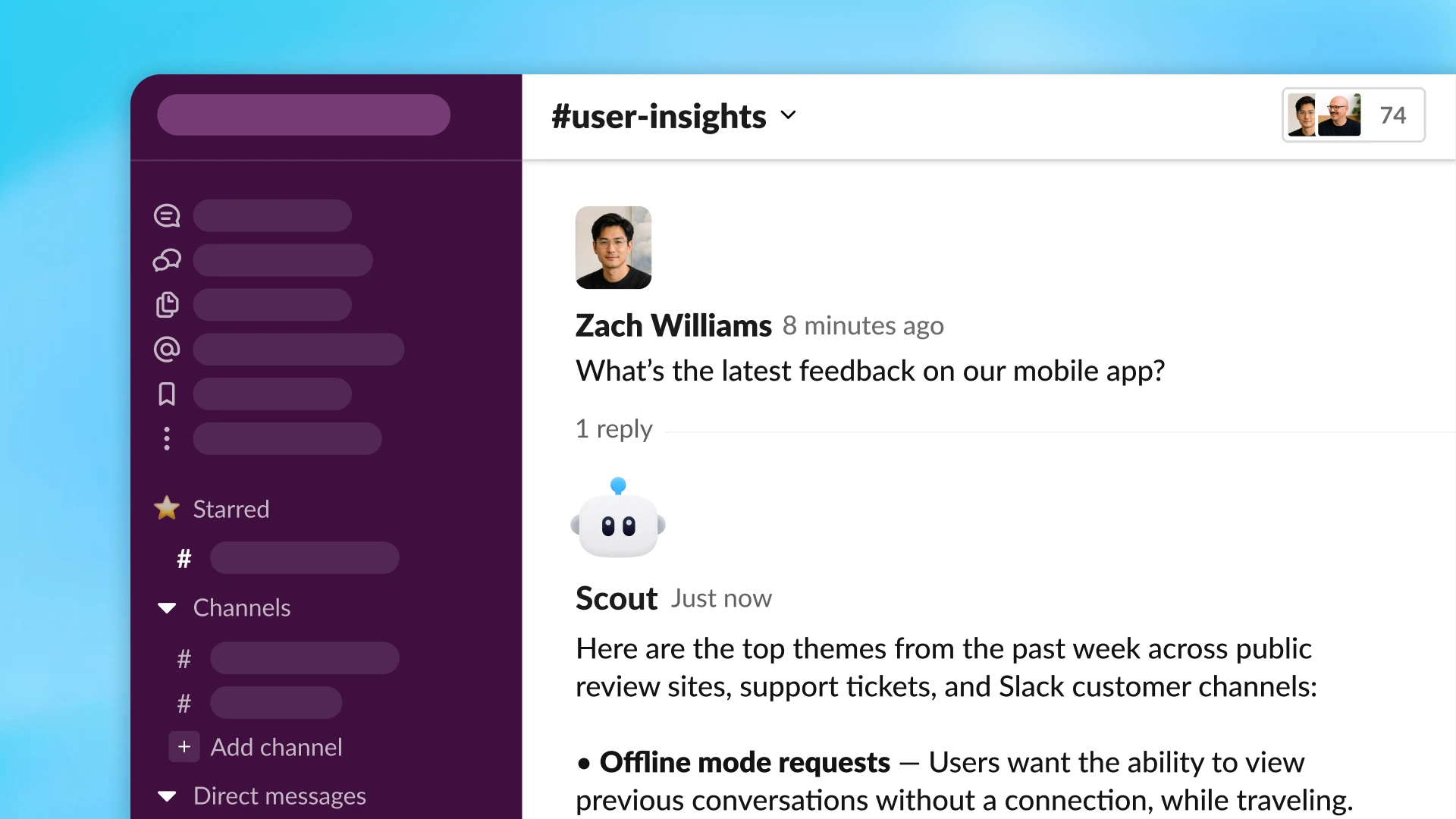
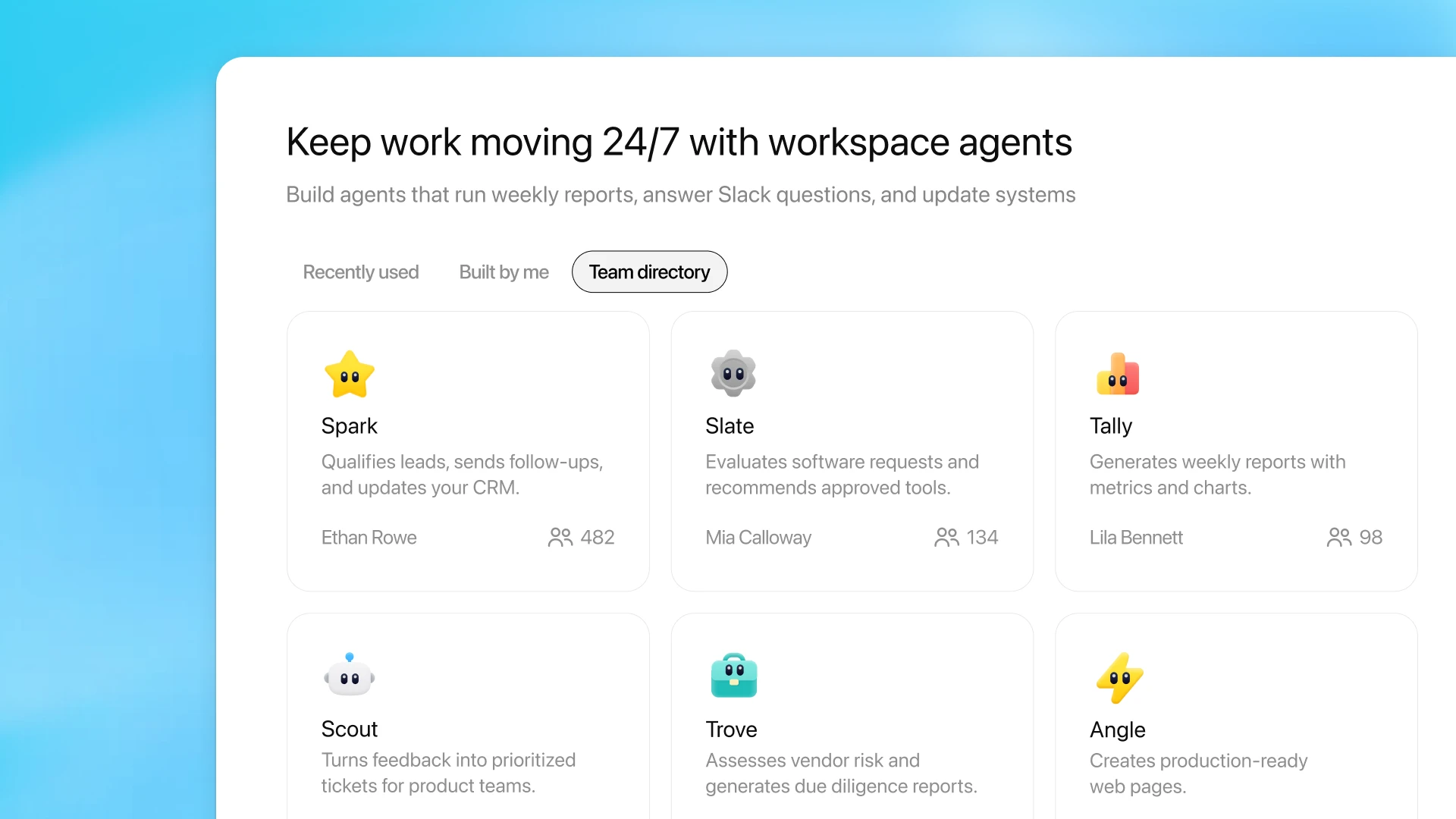
If you skim OpenAI’s workspace agents launch, it reads like a cute feature update. If you actually pay attention, it's a massive enterprise boundary play. Shared agents, cloud execution, Slack integrations, organizational controls, and cross-tool workflows aren't just neat tricks—they are the boring foundation of enterprise software.
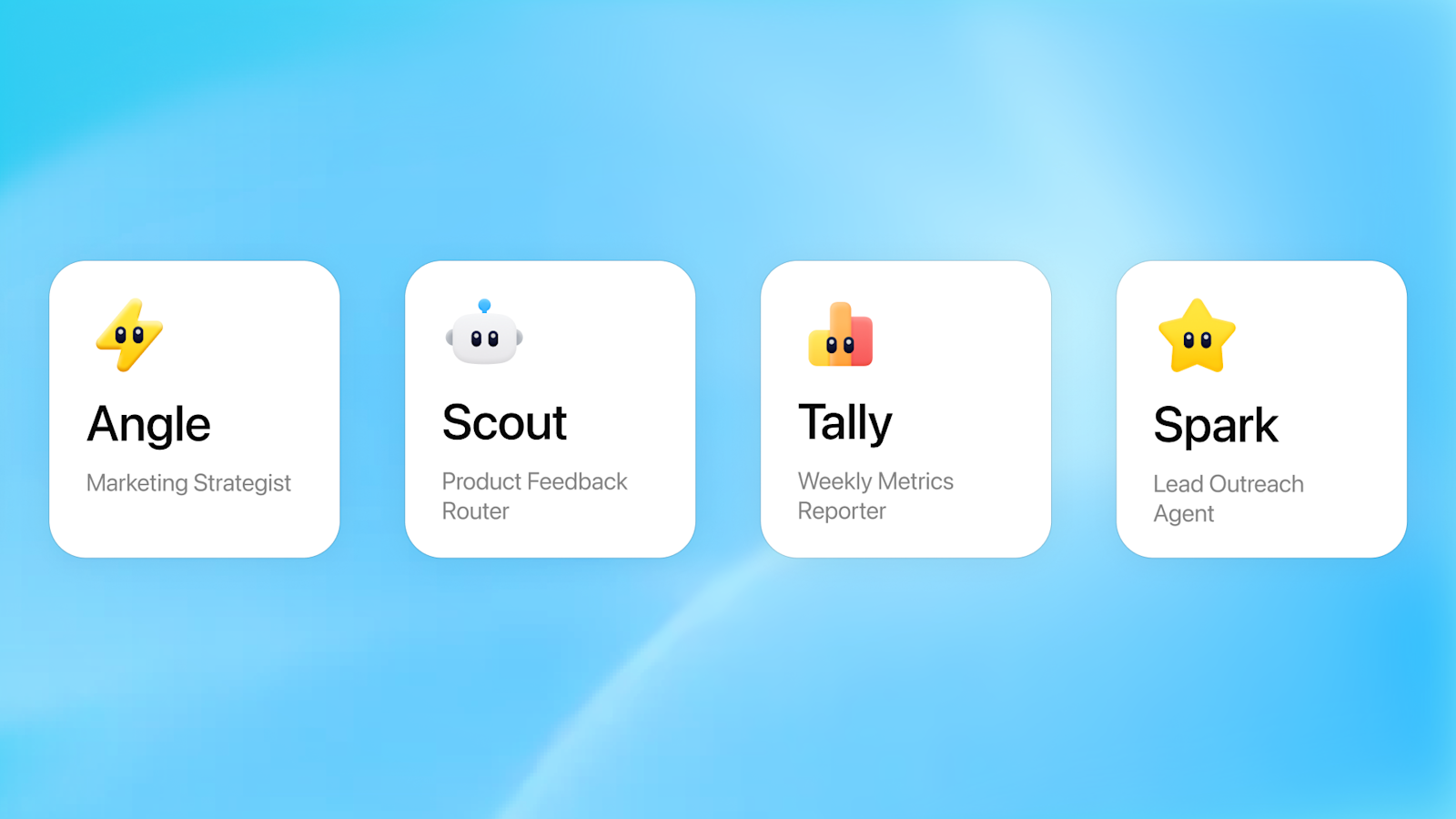
OpenAI is pitching agents that can gather context, follow processes, ask for approval, and keep work moving. The key concept here isn't autonomy; it's governability. The examples they use—software-request review, lead outreach, risk reporting—are all tasks that sit on administrative borders. They require knowing who has permission to see what, and who signs off when things get weird.
An agent that just blindly executes tasks across systems is a disaster waiting to happen. The winning version is one that knows exactly where its permissions end, when to stop and ask a human, and how to leave a crystal-clear audit trail. Security, IT, and legal teams need to know that admins can control sharing, that logs exist, and that bad runs can be rolled back.
If OpenAI can nail these boundaries, workspace agents could actually become credible infrastructure for recurring enterprise sludge. If they can't, it just remains a fun assistant feature that sits outside the real work. Enterprise software is essentially a tribute to boring tools that show up reliably; OpenAI is trying to prove its agents belong in that category.
In short
OpenAI’s workspace agents aren't just about doing more chores. They are a deliberate march into the enterprise control layer, where permissions and approvals rule the world.
Keep the signal coming
Useful AI, fewer talking points.
Follow Useful Machines for practical AI news, workflows, tools, and strategy. Sponsors can also evaluate whether this article belongs in the agents and developer tools lane.