
From the source material
1 / 3
Image from Simon Willison.
2 / 3
Image from Simon Willison.
3 / 3
Image from Simon Willison.
ChatGPT Images 2.0 is clearly a more capable image model, but the operational takeaway isn't just about prettier pictures. Simon Willison’s testing highlights the cold reality: prompts, settings, cost, and human review matter infinitely more than raw visual charm.
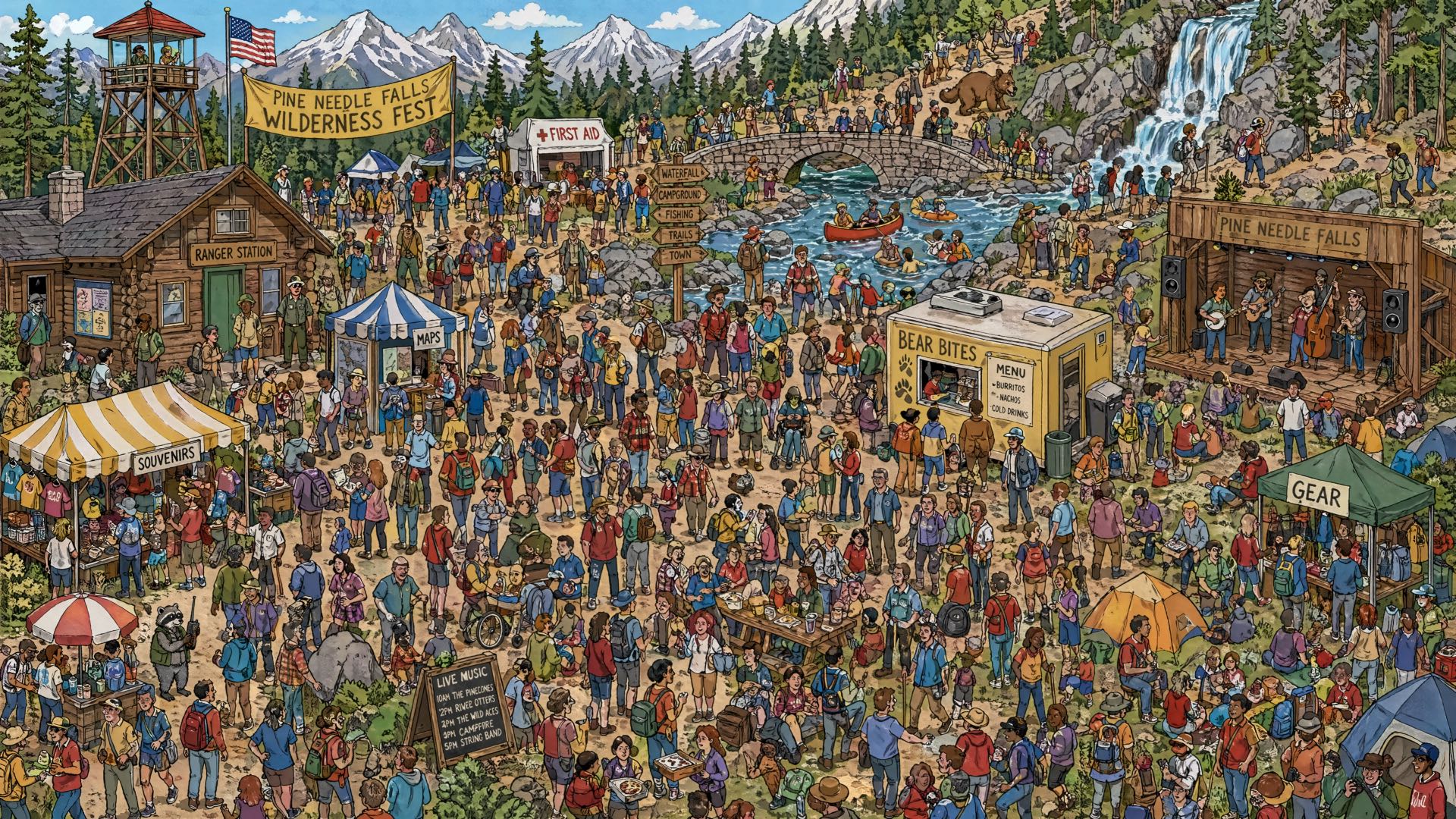
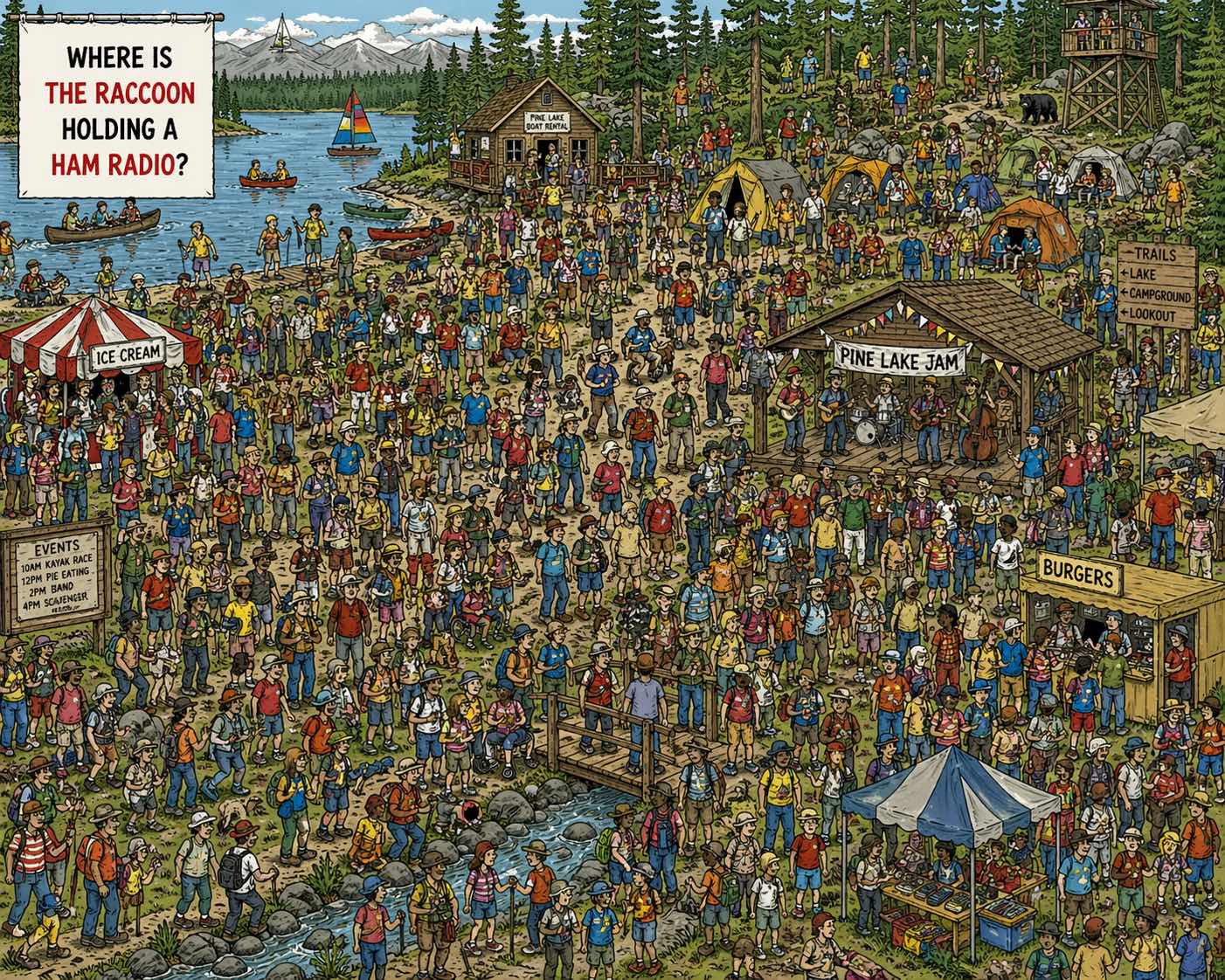
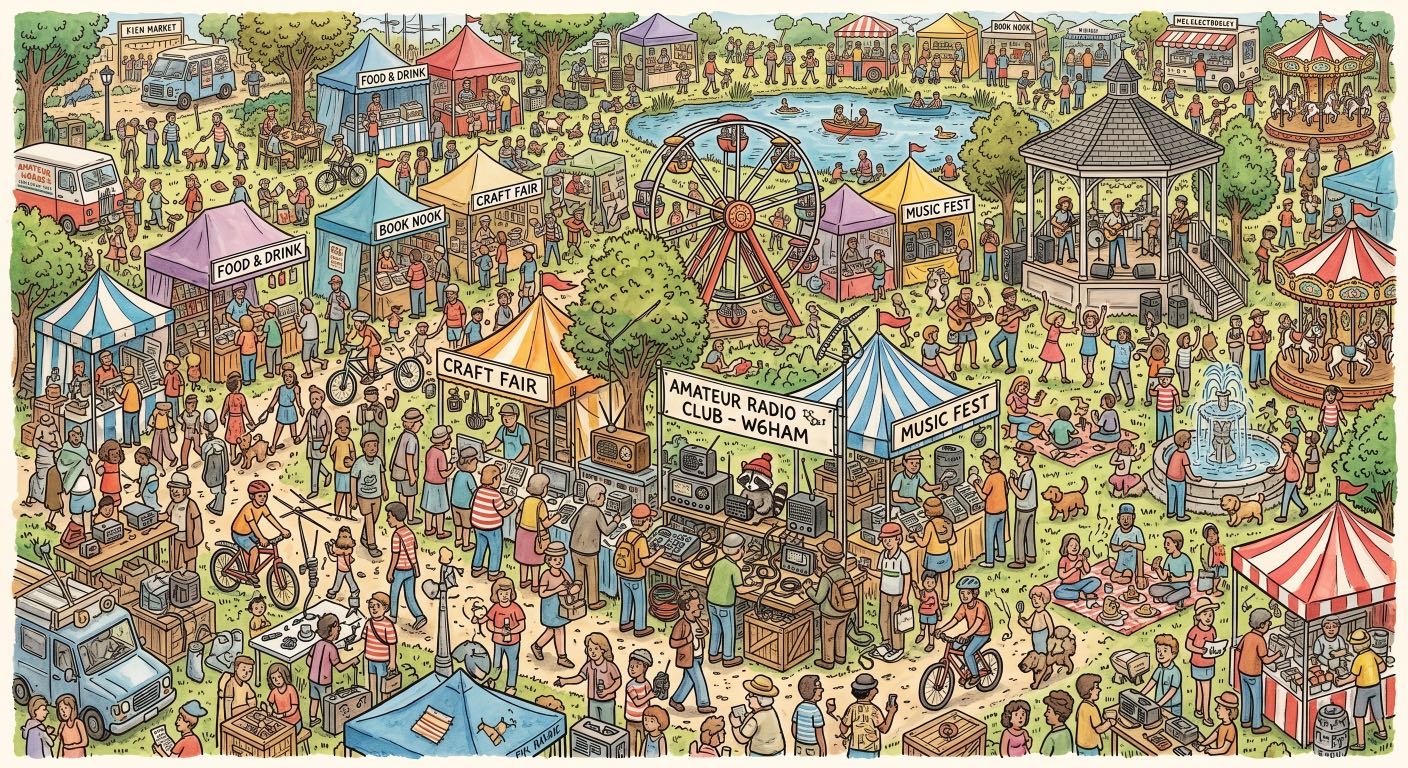
Willison ran a ridiculous Where’s-Waldo-style prompt featuring a raccoon with a ham radio. The default setting struggled, but a high-quality 3840x2160 run nailed it—costing roughly 13,000 output tokens, or about 40 cents. That's a very real cost-and-quality ladder.
Image generators only become genuinely useful when teams stop treating them like magic slot machines. Throwing generic prompts and hoping for the best is a great way to generate useless corporate wallpaper. The proper workflow is to draft cheaply, lock in your composition, and then spend the money on a high-quality render for the final asset.
The new model can produce highly polished output, which means it can also produce highly polished garbage much faster. You still need human constraints, versioning, and someone with actual taste to review the claims and brand fit. If a team can reliably generate assets in a consistent visual style without rewriting prompts from scratch every time, it's a creative operations tool. If not, it's just a fun toy.
In short
The new image model is definitely stronger, but the real lesson is that AI generation only works when teams apply constraints, budgets, and a review process.
Keep the signal coming
Useful AI, fewer talking points.
Follow Useful Machines for practical AI news, workflows, tools, and strategy. Sponsors can also evaluate whether this article belongs in the practical ai readers lane.