
From the source material
1 / 3
Image from OpenAI.
2 / 3
Image from OpenAI.
3 / 3
Image from OpenAI.
If you strip away the futuristic branding, the OpenAI workspace agents announcement is targeting the absolute least glamorous part of office life: the recurring, cross-functional sludge of approvals, reports, and team processes.
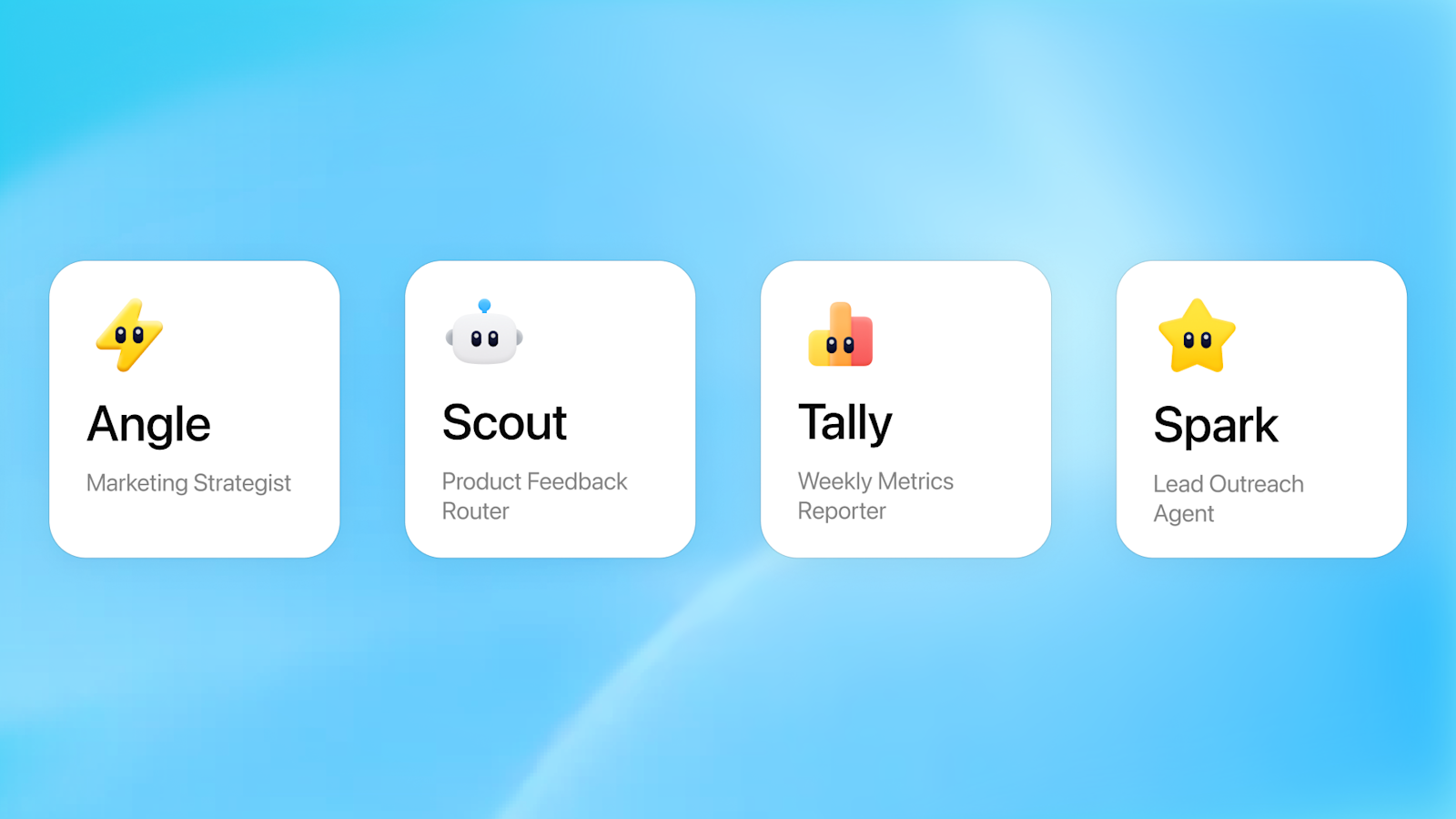
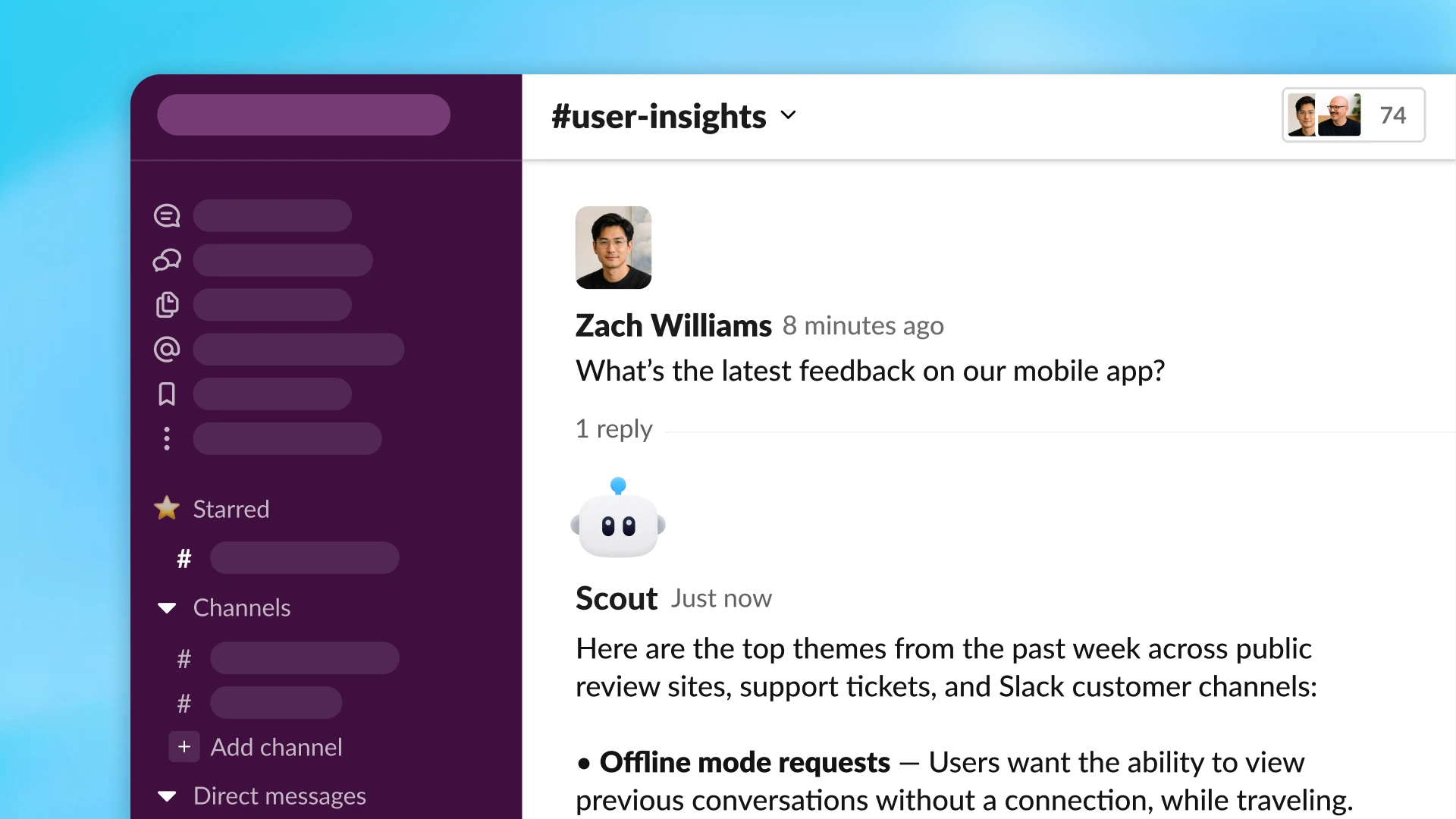
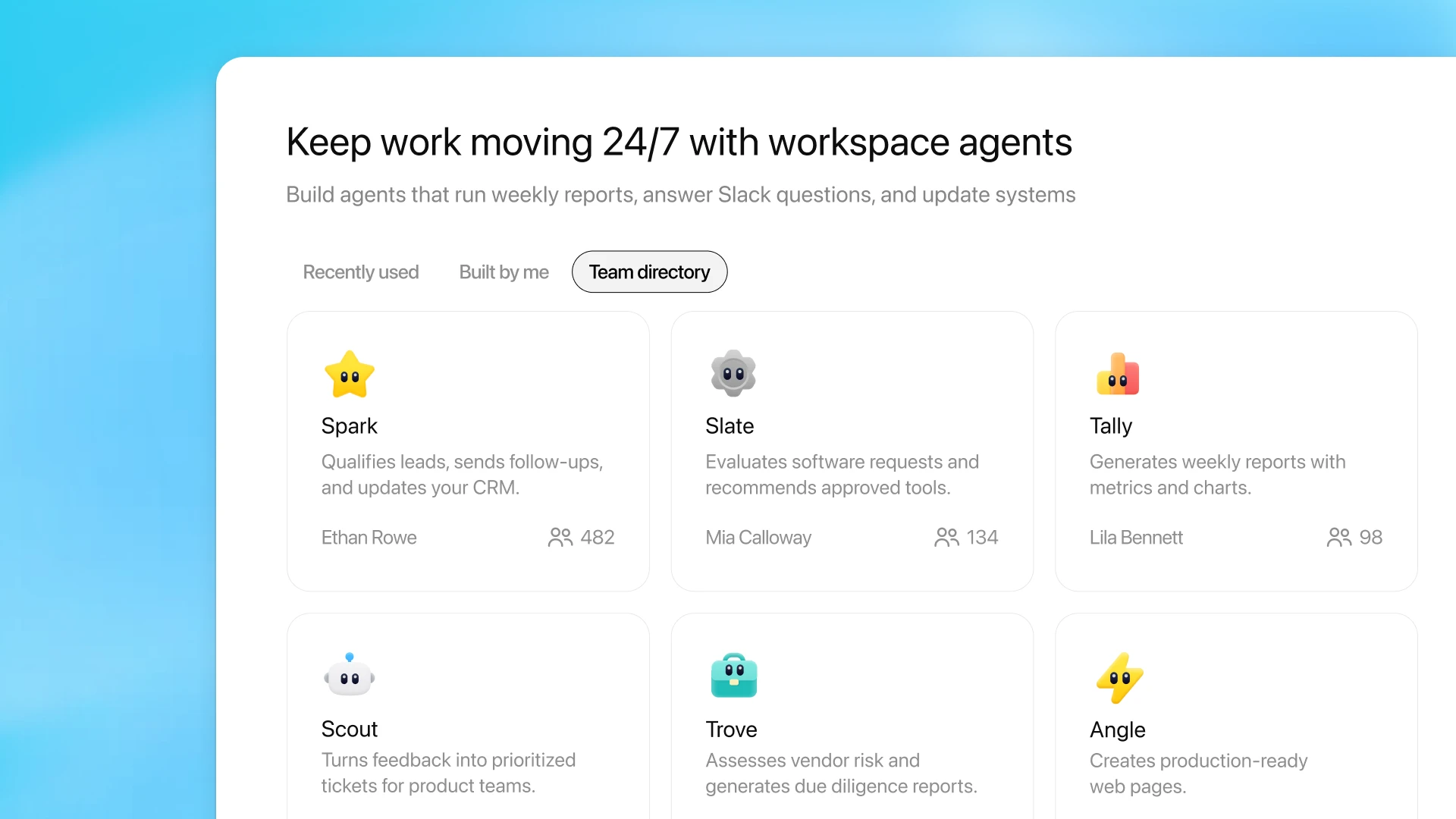
The pitch is that teams can spin up shared, Codex-powered agents inside ChatGPT that run in the cloud and respect organizational permissions. They handle long-running workflows while the human is off doing something else. The examples are telling—Software Reviewer, Product Feedback Router, Weekly Metrics Reporter, Lead Outreach Agent. That list is a massive relief, mostly because real workplace software always starts with routing and tickets.
This shifts ChatGPT from a private tab where you ask for recipe ideas into a piece of shared infrastructure. A good workspace agent should make coordination legible. It needs to show what it gathered, what it changed, where it hit an approval gate, and who owns the final output. A bad one just creates another inbox with cooler lighting.
The true test of adoption won't be a slick demo of an agent compiling a weekly report. It will be whether a marketing or finance team can set one of these up without accidentally creating a shadow-process nightmare. The permissions, escalation rules, and review logs are the actual product here. If it just reduces handoffs without muddying accountability, it's a win. Otherwise, it's just another shiny addition to the "agents are coming" graveyard.
In short
OpenAI is wrapping agent language around the most boring parts of enterprise life—shared chores, routing, and approvals. It's not glamorous, but it is unfortunately essential.
Keep the signal coming
Useful AI, fewer talking points.
Follow Useful Machines for practical AI news, workflows, tools, and strategy. Sponsors can also evaluate whether this article belongs in the agents and developer tools lane.