
From the source material
1 / 2
Image from Google Blog.

2 / 2
Image from Google Blog.
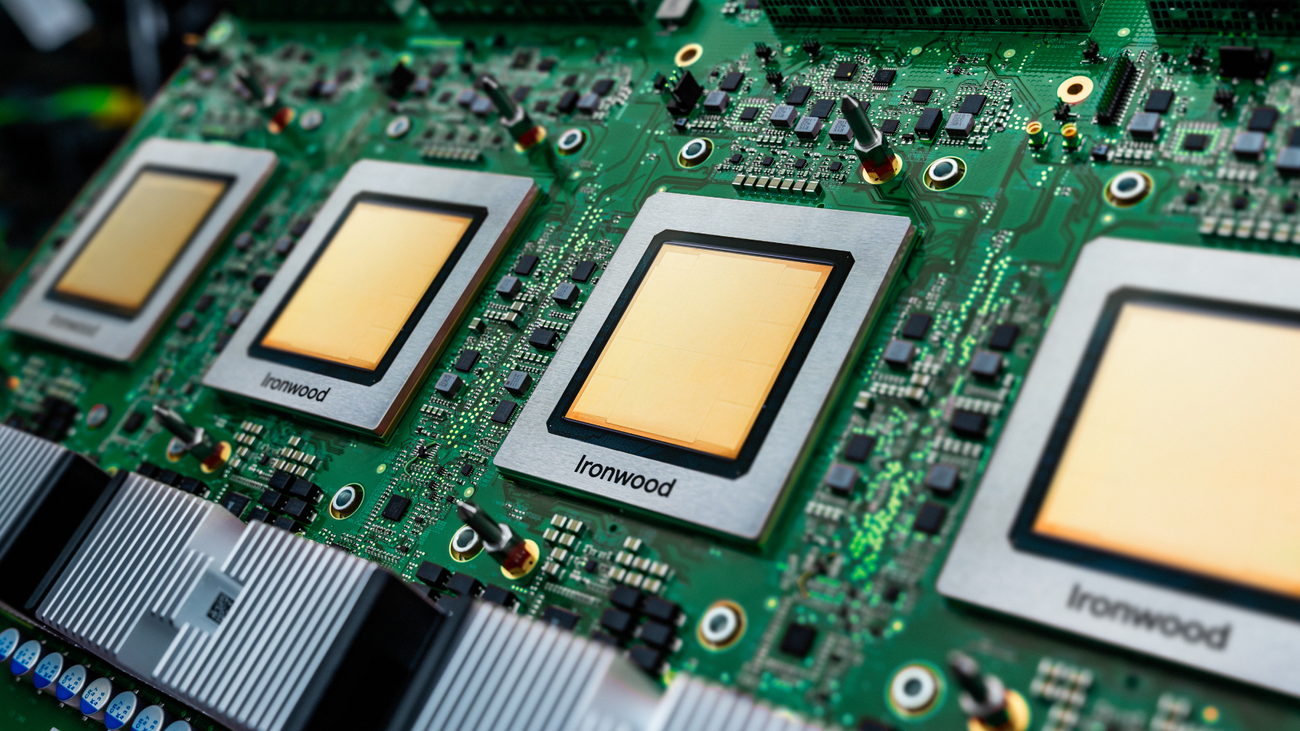
Training gets all the prestige, but inference gets the recurring bill. With the unveiling of the Ironwood TPU, Google has explicitly designed its seventh-generation silicon for the 'age of inference'—a phase where AI agents are expected to proactively retrieve and interpret data rather than just spit out text. It's a technical spec that doubles as a margin sentence.
If AI products are going to evolve into persistent reasoning systems and agent loops, serving them can't just be a backend line item; it becomes the primary economic battlefield. Thinking models burn more tokens, call more tools, and require complex routing. That turns intelligence into a heavy operating expense. Google's strategy isn't just about building a larger accelerator; it's about optimizing the hardware that handles the daily grind of serving demand without destroying gross margins.
The real question for enterprise buyers isn't whether Ironwood has 42.5 exaflops of theoretical compute. It’s whether Google can convert this custom silicon into cheaper reasoning, lower latency, and predictable availability at scale. The AI market is shifting from who can train the flashiest model to who can afford to run useful intelligence continuously. Ironwood is Google’s massive, liquid-cooled bid to ensure they can serve that intelligence like an everyday utility.
In short
Google's Ironwood TPU proves that while training gets the prestige, inference is where the AI economy actually fights for its margins.
Keep the signal coming
Useful AI, fewer talking points.
Follow Useful Machines for practical AI news, workflows, tools, and strategy. Sponsors can also evaluate whether this article belongs in the practical ai readers lane.