
From the source material
1 / 2
Image from GitHub Changelog.
2 / 2
Image from GitHub Changelog.
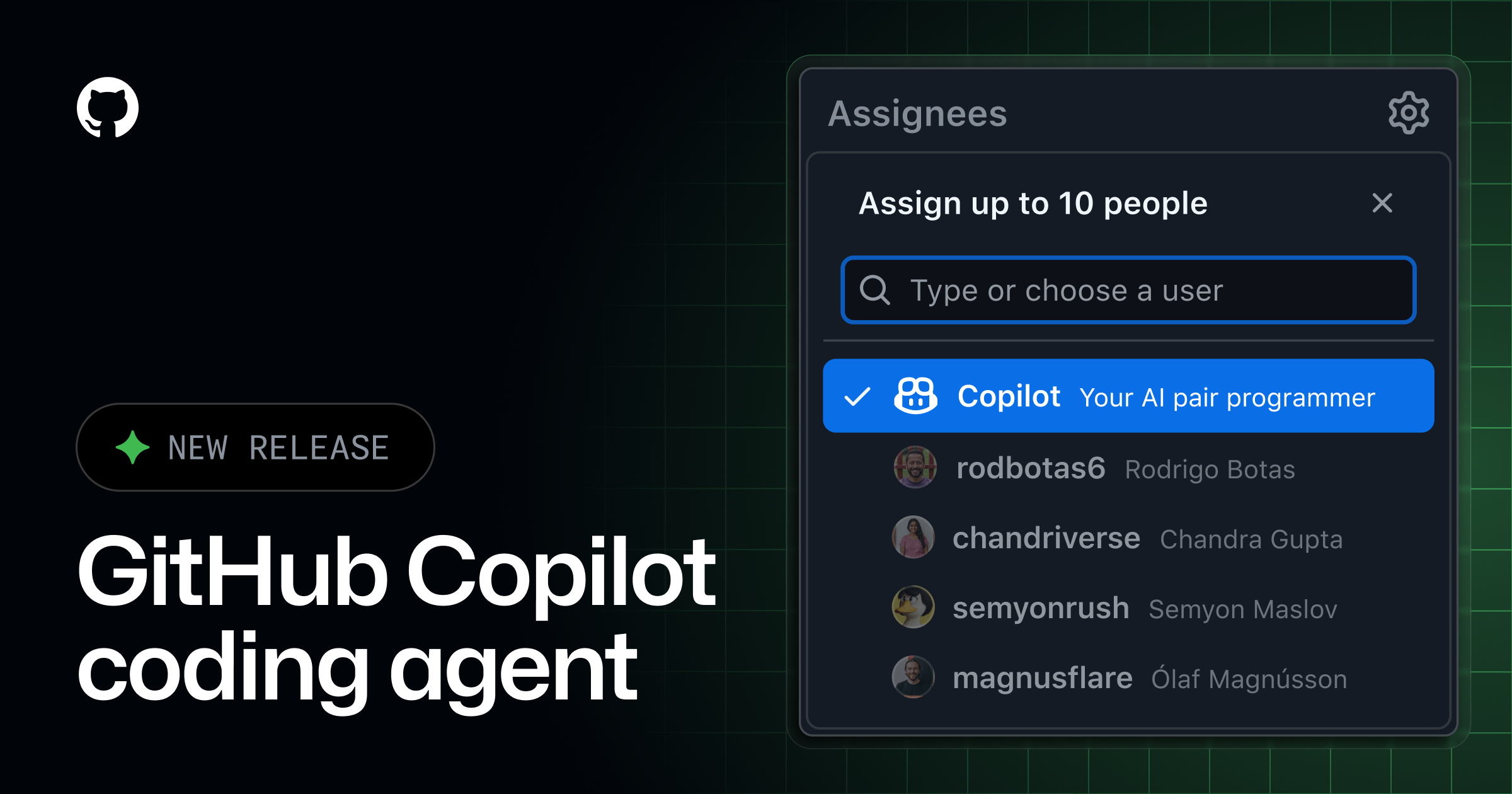
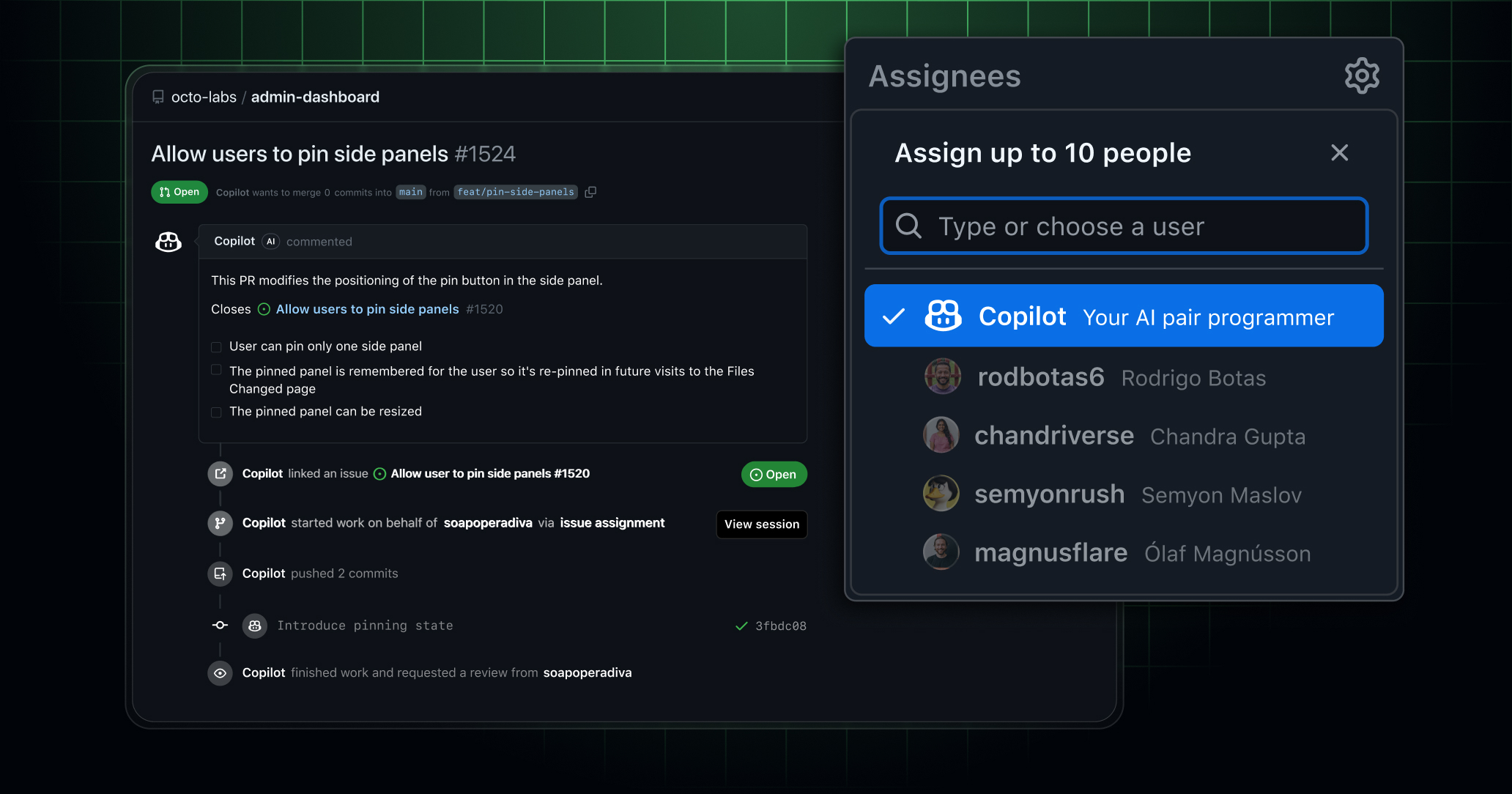
The most interesting thing about GitHub’s Copilot coding agent preview isn't the model behind it; it's where the work happens. Instead of asking developers to adopt a magical new altar, GitHub integrated the agent directly into the existing workflow. You assign an issue to Copilot, it spins up a secure cloud-based development environment powered by GitHub Actions, explores the codebase, makes changes, runs tests, and then tags you for review on a pull request. Work item goes in, reviewable artifact comes out. It is the correct shape for software engineering.
Coding agents won't win by producing theatrical demos. They win by fitting into the tickets, branches, and permission systems teams already rely on. A pull request is the perfect containment vessel for an agent’s output. It forces the AI to present human-readable diffs, pass CI checks, and await approval before anything merges. This doesn't make the agent inherently safe, but it makes it inspectable, which is the absolute minimum requirement for production code.
GitHub wisely frames the agent around low-to-medium complexity tasks: fixing simple bugs, adding test coverage, refactoring, and updating documentation. Agents need strict acceptance criteria and conventions. If you assign a vague, politically loaded issue to an AI, it won't fix your broken requirements—it will just confidently automate the consequences. Implementing this agent means teams must write better issues and maintain reliable tests. If your cycle time improves without turning senior developers into exhausted diff janitors, the agent is working. The future of coding AI looks less like replacing engineers and more like delegating chores to an enthusiastic junior developer who never sleeps.
In short
Instead of demanding a new workflow, GitHub’s coding agent starts at an issue, works in a cloud environment, and submits a reviewable PR. It turns out the best AI interface is the one developers already use.
Keep the signal coming
Useful AI, fewer talking points.
Follow Useful Machines for practical AI news, workflows, tools, and strategy. Sponsors can also evaluate whether this article belongs in the practical ai readers lane.