
From the source material
1 / 3
Image from Anthropic.
2 / 3
Image from Anthropic.
3 / 3
Image from Anthropic.
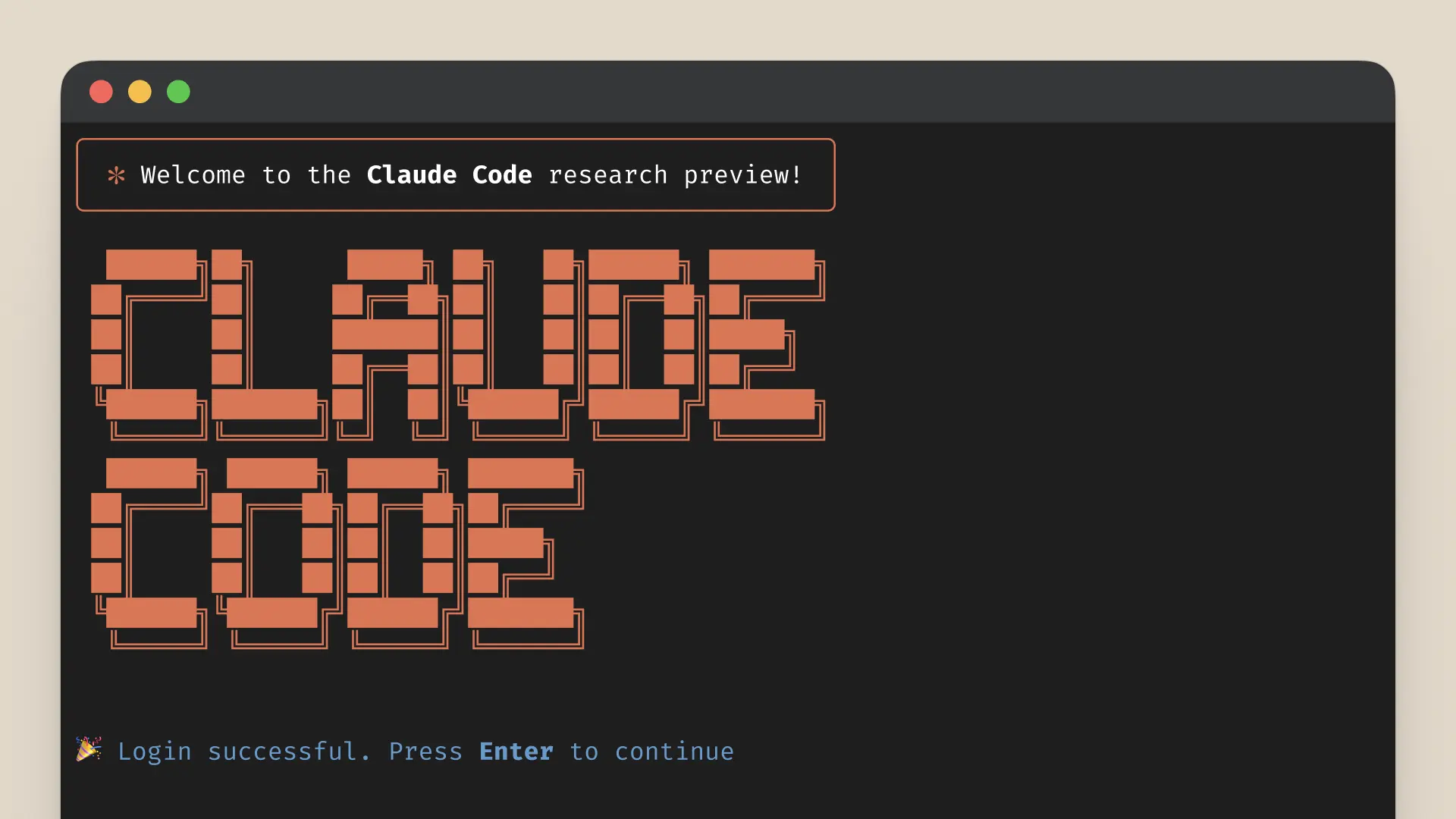
Developers don't live in chat bubbles; they live in the terminal, surrounded by flaky tests, old decisions, and dependencies they barely trust. So, when Anthropic launched Claude Code as a terminal-based agent, it was both an inevitable evolution and mildly terrifying. An agent that operates near your code and command-line tools is no longer just autocomplete—it's a collaborator with hands.
Having hands is useful, but hands need boundaries. The success of Claude Code doesn't hinge on whether a model can emit working code. It hinges on workflow. Can a developer delegate a bounded task and actually stay in control of the diffs, the commands run, and the overall plan? Repositories are messy ecosystems, and the agent has to navigate them without deciding to perform architectural improv on files that haven't been touched since 2021.
The terminal is the ultimate trust gym. Developers should start by delegating boring, bounded tasks: a single failing test, a narrow bug fix, or a validation check. If an agent can't handle the boring work cleanly, it has no business touching the scary stuff. In this environment, success isn't measured by novelty, but by clean diffs and the ability to operate without supervision turning into a rescue mission.
In short
Anthropic’s Claude Code drops the agent directly into the terminal, proving that the real test of AI is safely navigating a messy codebase.
Keep the signal coming
Useful AI, fewer talking points.
Follow Useful Machines for practical AI news, workflows, tools, and strategy. Sponsors can also evaluate whether this article belongs in the agents and developer tools lane.