
From the source material
1 / 2
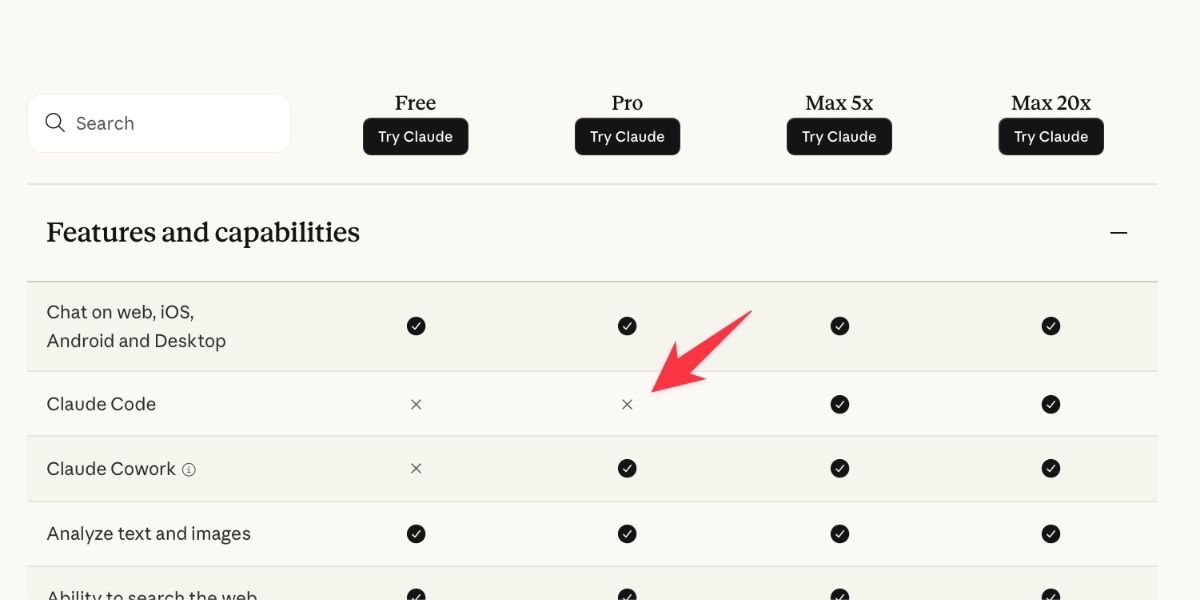
One of the useful things about Simon Willison’s write-up is that it captured the moment as users were trying to figure out whether the pricing change was real or just a temporary mess.
2 / 2
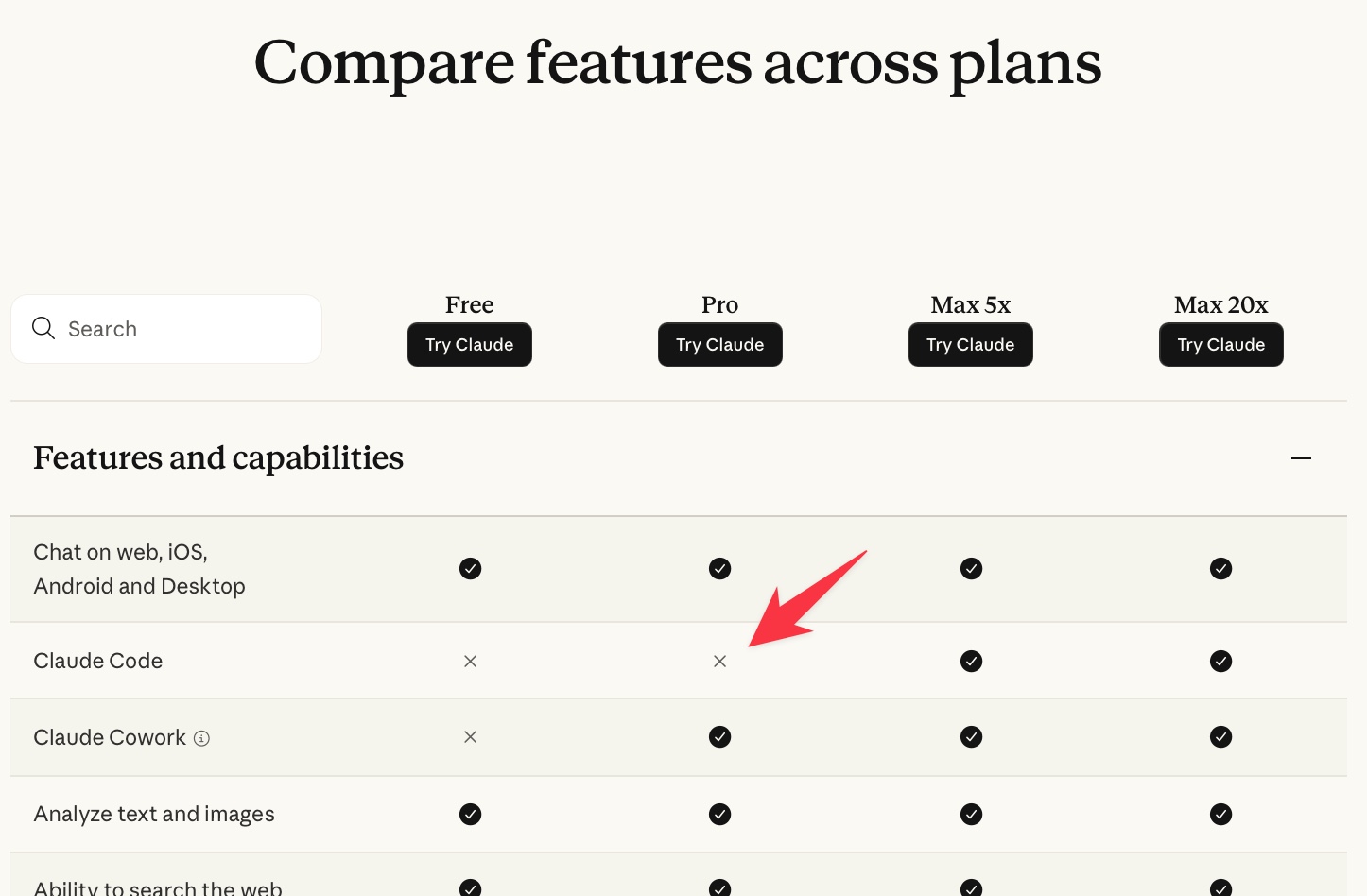
When developers get surprised by pricing, they do not wait for a polished follow-up blog post. They start recalculating trust in real time.
The Claude Code pricing scare didn't last long, but it lasted long enough to leave a mark. As Simon Willison documented, Anthropic's pricing page briefly showed Claude Code jumping from a $20/month plan to $100 and $200/month tiers. The company quickly clarified it was just a small test for new signups, but the damage was done.
In the world of developer tools, a sudden pricing spike isn't a UX bug; it's a massive breach of trust. Developers who seriously adopt a coding agent are weaving it into their daily repo habits, onboarding, and review rituals. When that access suddenly looks incredibly expensive or unstable, the immediate instinct is to start calculating risk and plotting an exit strategy.
Willison’s write-up perfectly captures the real-time panic—screenshots flying around, archive links being pulled, and a stray tweet serving as official crisis comms. It’s a mess. To be entirely fair, running a premium coding agent costs real money, and nobody should expect a static $20 price tag forever. But the choreography of changing that price is everything.
You have to explain what's changing, who gets grandfathered in, and what the timeline is before users discover a terrifying new pricing grid by accident. Claude Code remains a stellar tool, but this incident is a stark reminder: capability might win you initial attention, but commercial predictability is what earns you daily habits.
In short
Anthropic's brief pricing confusion around Claude Code was quickly resolved, but developers reacted by doing what they always do: looking for the exit.
Keep the signal coming
Useful AI, fewer talking points.
Follow Useful Machines for practical AI news, workflows, tools, and strategy. Sponsors can also evaluate whether this article belongs in the agents and developer tools lane.