
From the source material
1 / 2
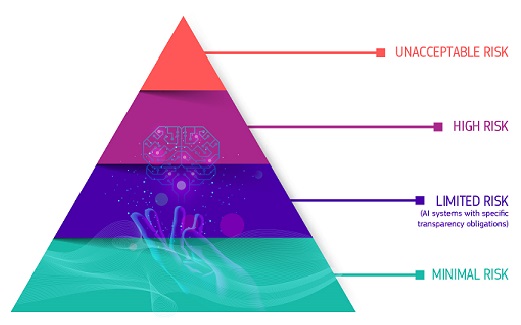
Image from European Commission.
2 / 2
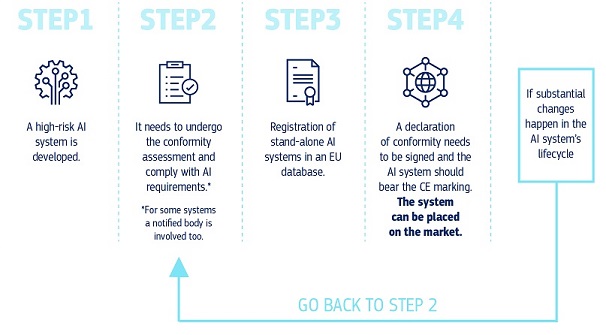
Image from European Commission.
The modern workplace already has a terrifying appetite for turning human existence into measurable data points—from calendar density to message response times. But the European Commission's AI Act regulatory framework draws a much-needed line in the sand: emotion recognition in workplaces and educational institutions is strictly prohibited as an unacceptable risk.
This isn't just a compliance detail; it's a small act of cultural sanity. Emotion recognition technology sells the seductive fiction that a tired face, a shifted posture, or a flat tone can be converted into a reliable KPI for engagement. Treating ambiguity as a data problem is invasive and fundamentally flawed. Anyone who has ever smiled through a useless meeting knows that outward expressions rarely map cleanly to inner productivity.
By outright banning these systems, the EU is making it clear that not every human signal deserves to be scored and filed away. It forces a healthier management approach: if you're worried about burnout, reduce the workload instead of buying software that stares at your employees until morale improves. A civilized workplace leaves room for opacity, acknowledging the basic right not to be emotionally parsed by an algorithm.
In short
The EU AI Act draws a hard line against workplace emotion recognition, rejecting the idea that human faces should be harvested for productivity metrics.
Keep the signal coming
Useful AI, fewer talking points.
Follow Useful Machines for practical AI news, workflows, tools, and strategy. Sponsors can also evaluate whether this article belongs in the trust, safety, and evaluation lane.