
From the source material
1 / 3
Image from OpenAI News.
2 / 3
Image from OpenAI News.
3 / 3
Image from OpenAI News.
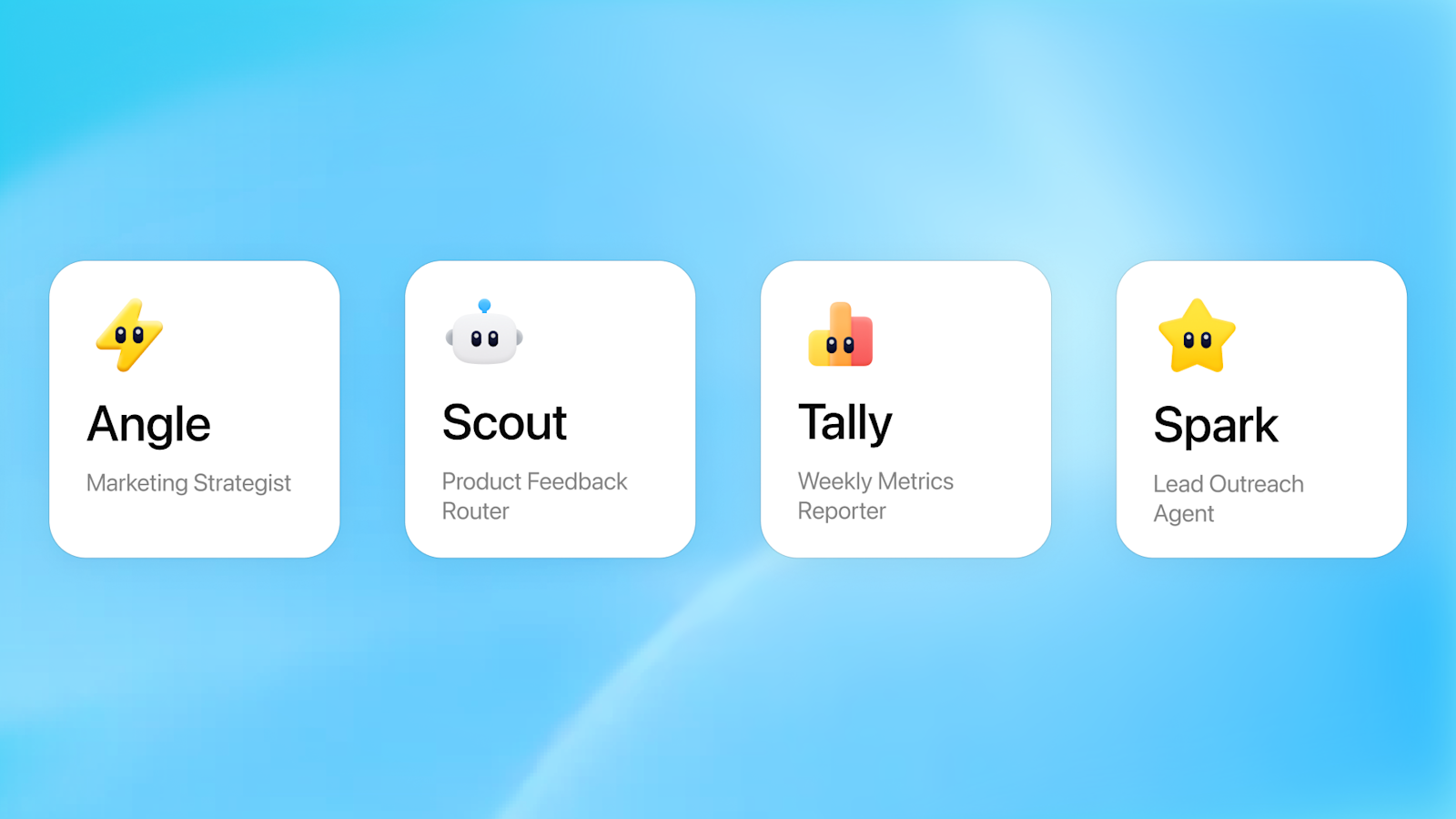
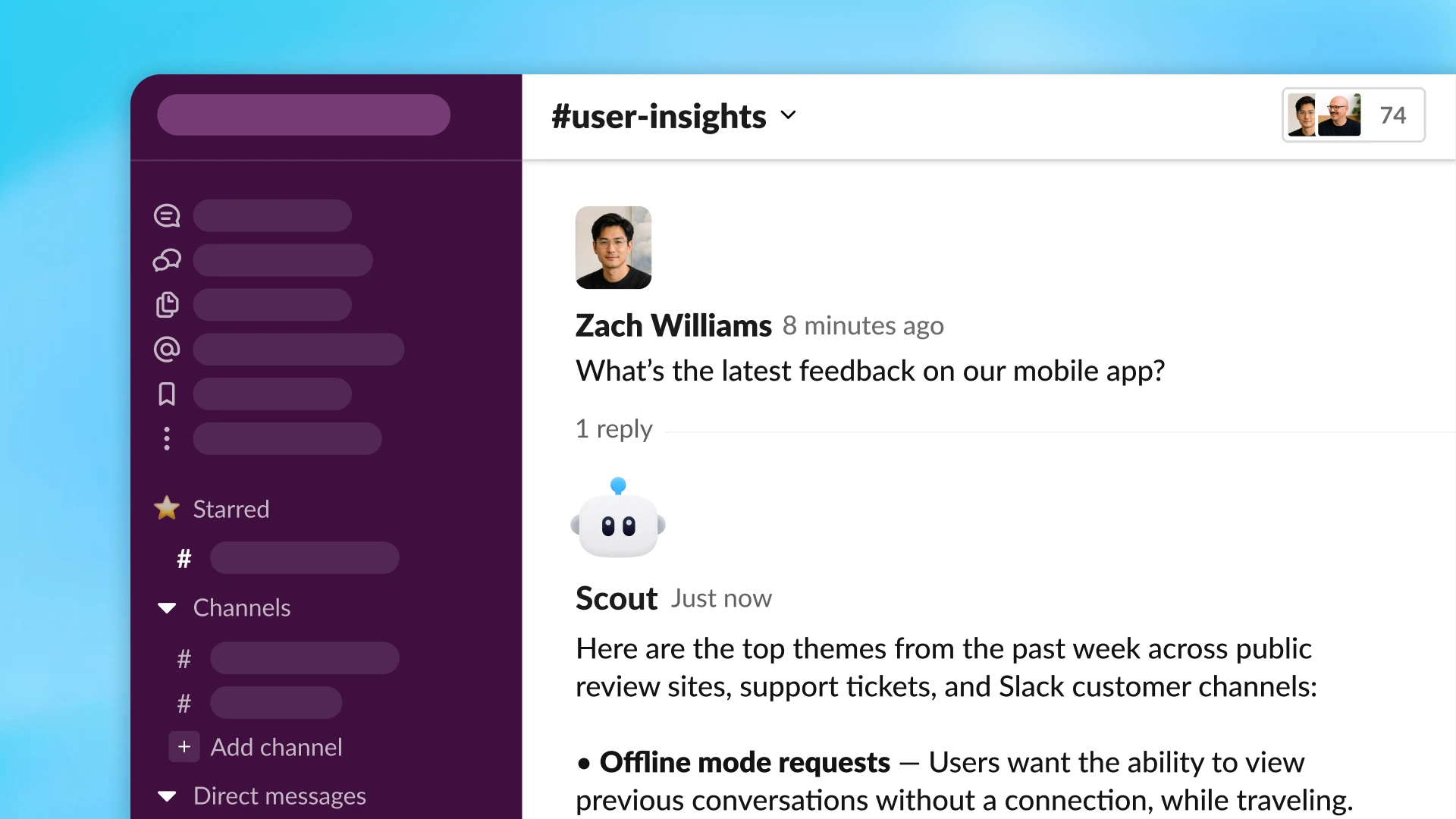
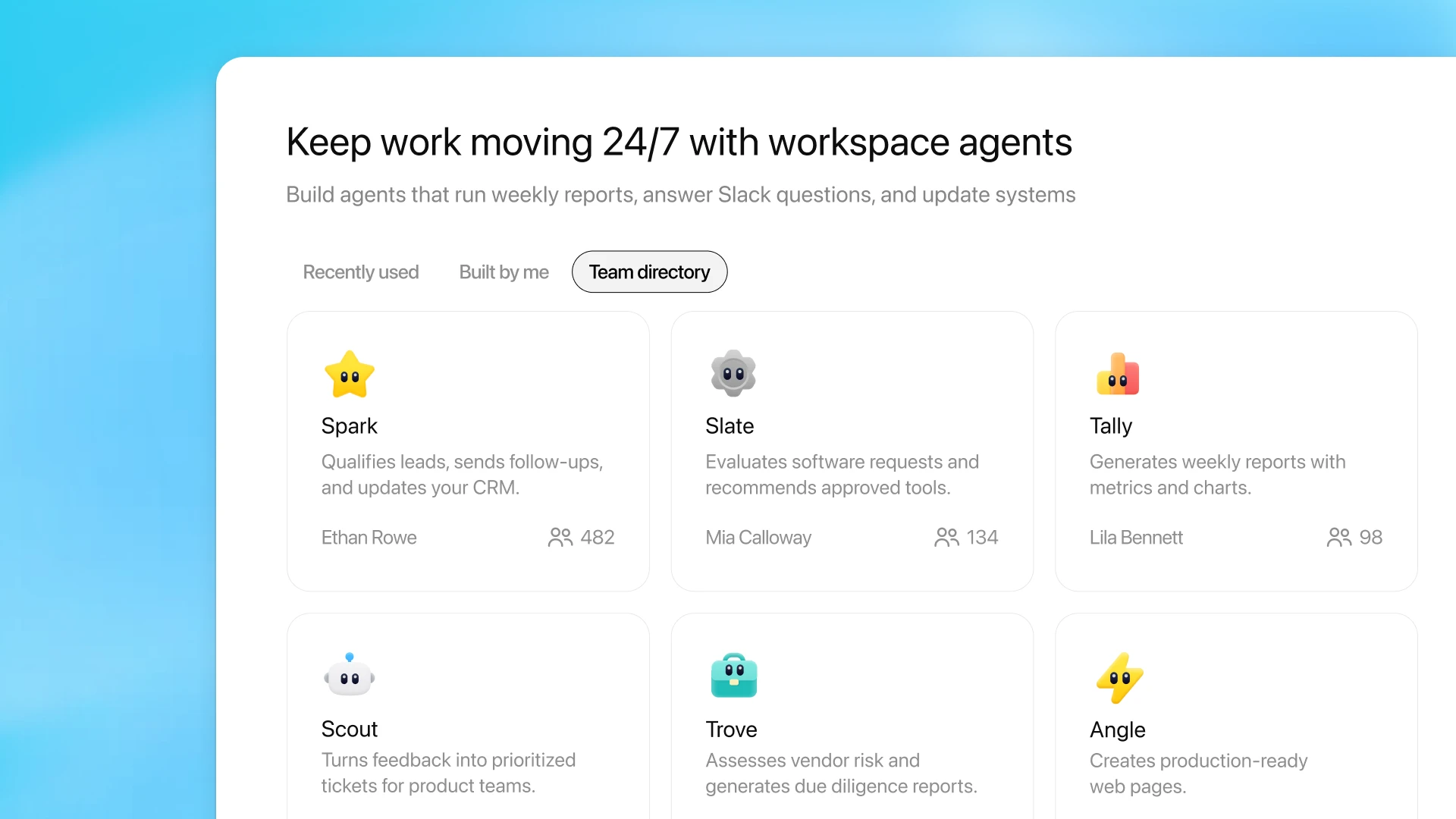
The OpenAI workspace agents announcement describes Codex-powered agents that run in the cloud, work across tools, and operate within organizational controls. The word “agent” has been polished so hard it reflects whatever the buyer wants to see, but the practical story here is handoff quality. The test is whether a team can give ChatGPT a real workflow and get back something useful enough to review instead of rescue. That is the difference between assistant theater and actual workplace infrastructure.
Because the announcement says these agents can gather context, follow team processes, and ask for approval, the output cannot just be a triumphant paragraph. It has to be a legible review artifact detailing what was used, what changed, what needs approval, and who should inspect it next. Good candidates for this are workflows with clear inputs, repeatable rules, and visible review points, such as metrics reporting, support questions, or lead prep. Bad first candidates are political workflows where three people disagree on what “done” means. Before delegating, teams should name the owner, define completion, document exceptions, and decide what remains human. The winning version of this should feel calm: you assign work, get a traceable result, approve or redirect, and move on without any mystical agent management ceremony. If OpenAI can make "done" legible, ChatGPT becomes a serious work surface.
In short
OpenAI’s workspace agents sound autonomous, but the useful test is much duller: can they take a real workflow, preserve context, and return an artifact that is actually reviewable?
Keep the signal coming
Useful AI, fewer talking points.
Follow Useful Machines for practical AI news, workflows, tools, and strategy. Sponsors can also evaluate whether this article belongs in the agents and developer tools lane.